
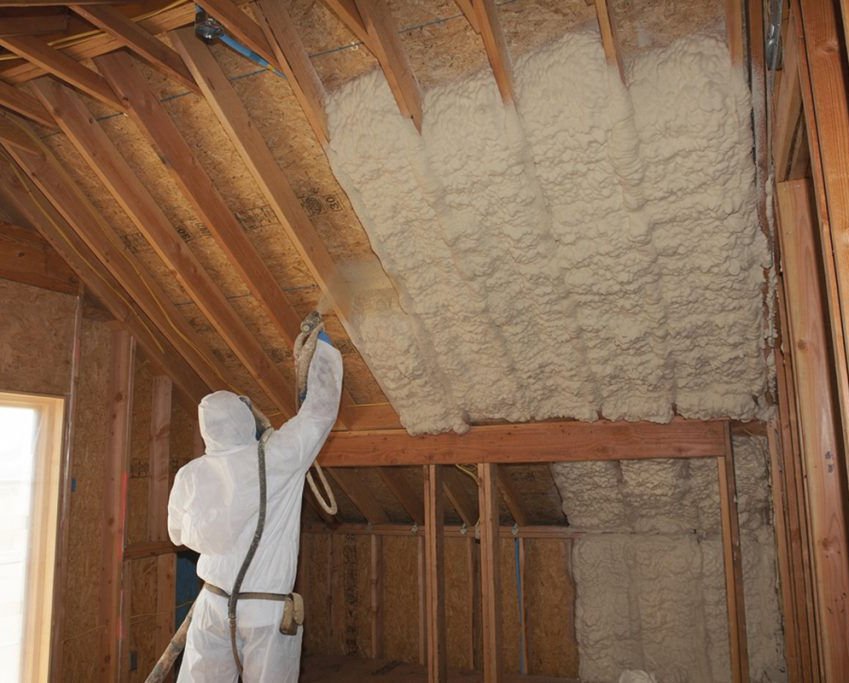

Open Cell vs. Closed Cell Spray Foam: Which One Wins Where?
Two products, very different performance. Here's a plain-English breakdown of density, R-value, vapor permeability, cost, and which assemblies call for which foam.
Read the Article
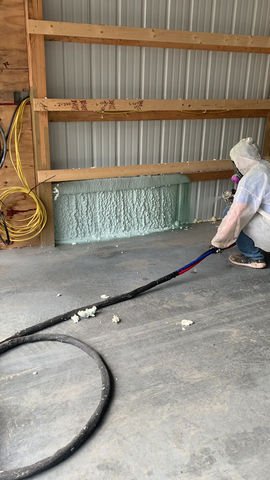
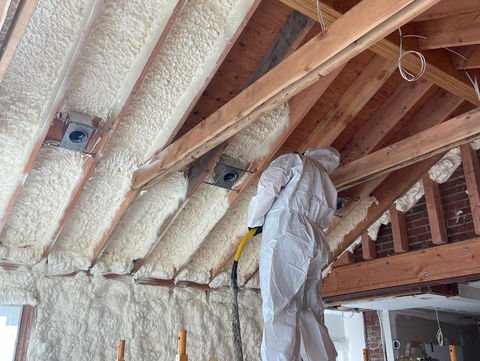
Installers of both open cell and closed cell spray foam insulation in residential and commercial applications.
Open cell spray foam is a lightweight, expanding insulation that provides excellent sound dampening and air sealing. It expands significantly upon application, filling every nook and cranny to create a complete air barrier in walls, attics, and crawl spaces.
Closed cell spray foam is a dense, rigid insulation with the highest R-value per inch of any insulation material available. It adds structural strength to walls and acts as a vapor barrier, making it ideal for exterior applications and areas prone to moisture.
Open cell provides approximately R-3.5 per inch, while closed cell delivers approximately R-6.5 per inch — the highest available.
Open cell is vapor permeable, allowing walls to breathe. Closed cell acts as a complete vapor barrier, blocking moisture intrusion.
Open cell excels at sound dampening due to its softer structure. Closed cell provides some sound reduction but excels in thermal performance.
Liquid Green Spray Foam Insulation is more than a service — it's a brand that stands for quality, efficiency, and green building. Our signature "got foam?" branding represents the standard of excellence we bring to every project, from residential attics to commercial warehouses.
Installers of both open cell and closed cell spray foam insulation in residential and commercial applications throughout the tri-state area.
Get a Quote
Common questions about our spray foam products and applications.
Open cell spray foam is lightweight and expanding, making it ideal for interior walls and attics where sound dampening and air sealing are priorities. Closed cell spray foam is dense and rigid, with the highest R-value per inch, and acts as a vapor barrier while adding structural strength. We install both and will recommend the right type for your project.
Most attics are best insulated with open cell spray foam because it expands to fill cavities, provides excellent sound dampening, and seals air leaks at the largest source of energy loss in a home. Closed cell can also be used where higher R-value per inch is needed.
Yes. For retrofit projects we use a process to inject spray foam into existing wall cavities, sealing gaps and adding R-value without removing drywall. We'll assess your walls during the estimate to confirm the right approach.
Closed cell spray foam is closed-cell by structure, which means it resists water absorption and acts as a vapor barrier, making it the right choice for basements, crawl spaces, and below-grade applications. Open cell is water-resistant but not a vapor barrier.
Properly installed spray foam insulation does not settle or sag over time and is considered a permanent insulation solution. It will maintain its R-value for the life of the building when installed by a qualified crew.
Liquid Green spray foam is fully cured within 24 hours of installation. Once cured, it is inert and does not off-gas. There may be a mild odor during the first day, similar to standard construction materials, which dissipates quickly with ventilation.
How open cell and closed cell compare, what R-value really means, and how spray foam stacks up against traditional insulation.
Two products, very different performance. Here's a plain-English breakdown of density, R-value, vapor permeability, cost, and which assemblies call for which foam.
Read the Article
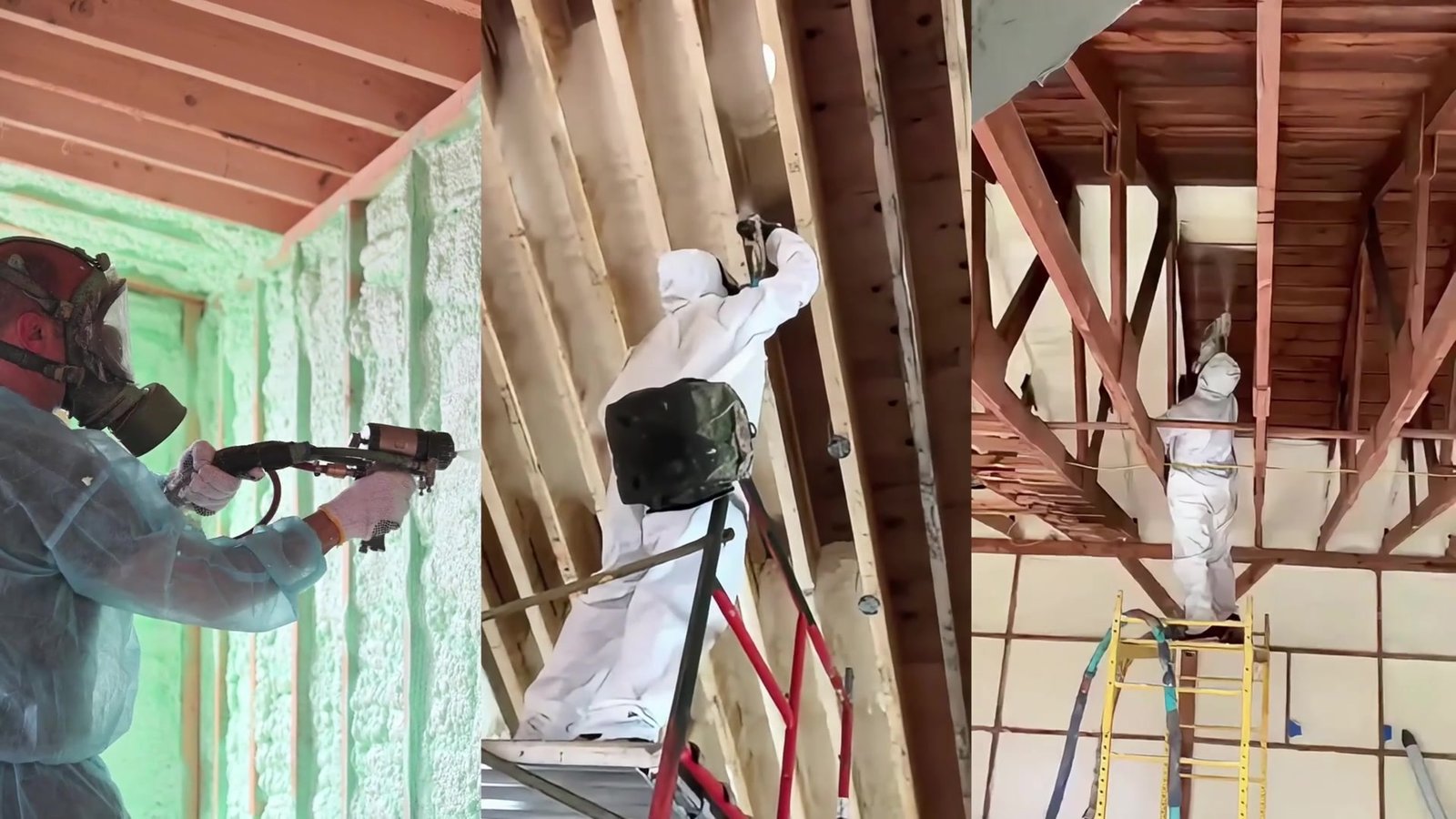
R-value is the most quoted number in insulation — and the most misunderstood. Here's what it actually means for spray foam, and where the headline number can fool you.
Read the Article
Both products insulate, but they don't perform the same. Here's a side-by-side covering R-value, air sealing, moisture, longevity, cost, and where each one makes sense.
Read the ArticleLiquid Green is a mobile spray foam franchise with protected territories nationwide. See the 60-second walkthrough and decide if it’s worth 60 more seconds of your time.